Understanding Collagen: The Foundation of Youthful Skin and Hair
Collagen is a vital protein that serves as a structural component in various tissues throughout the human body, including skin, hair, bones, and cartilage. It is often referred to as the “building block” of skin and is responsible for maintaining the skin’s elasticity, strength, and overall appearance. Collagen accounts for about 30 percent of the body’s protein content, making it the most abundant protein in mammals. There are at least 16 different types of collagen, but the most prevalent ones in the human body are type I, type II, and type III.
Type I collagen is the primary form found in our skin, tendons, and bones, providing structure and firmness. Type II, on the other hand, is predominantly found in cartilage and is essential for joint health. Type III collagen complements type I, especially in softer tissues, and supports skin integrity and elasticity. Together, these collagen types create a robust framework that helps to maintain smooth and youthful skin, as well as vibrant and healthy hair.
As individuals age, the body’s natural collagen production begins to decline. This decrease can start as early as the mid-20s and accelerates through the aging process. A reduction in collagen levels often leads to various signs of aging, such as wrinkles, sagging skin, and thinning hair. Furthermore, reduced collagen compromises the skin’s ability to retain moisture and repair itself, leading to a dull and tired appearance. To mitigate these effects, maintaining healthy collagen levels through nutrition, supplements, and skincare can be beneficial. Ensuring adequate intake of vitamin C, zinc, and amino acids, which are critical for collagen synthesis, supports skin and hair health, helping to preserve a youthful appearance despite the passage of time.
The Amazing Benefits of Collagen for Skin and Hair
Collagen, a vital protein present in the human body, serves as a fundamental building block for skin and hair health. The benefits of collagen supplementation and topical applications are numerous, making it a popular choice for those looking to achieve glowing skin and lustrous hair.
One of the most notable advantages of collagen for skin is its ability to improve elasticity. As we age, our body’s natural collagen production declines, leading to sagging skin and wrinkles. By incorporating collagen into your skincare routine or diet, you can help to restore elasticity and promote a firmer, more youthful appearance.
Additionally, collagen is known for its hydrating properties. Adequate hydration is essential for maintaining skin suppleness and reducing the appearance of fine lines. Supplementing with collagen can enhance skin moisture levels, resulting in a plumper, more radiant complexion.
Moreover, collagen plays a crucial role in reducing wrinkles. Studies indicate that collagen peptides can stimulate the skin’s production of this key protein, leading to diminished wrinkle depth and fewer visible signs of aging. Many individuals experience smoother skin texture and a more youthful skin tone with consistent use of collagen products.
In terms of hair health, collagen also offers significant benefits. It enhances strength by supporting the structure of hair follicles, reducing hair breakage, and promoting overall shine. A strong foundation leads to healthier hair, promoting a vibrant and attractive look.
Furthermore, collagen can aid in improving specific skin conditions such as dryness and acne. It supports skin barrier function, which helps retain moisture and prevent irritants from causing flare-ups. Overall, the comprehensive advantages of collagen for skin and hair make it a valuable addition to beauty routines.
Choosing the Right Collagen Products: A Comprehensive Guide
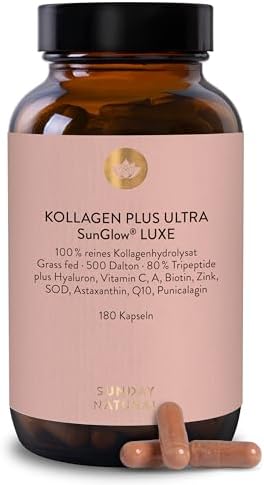
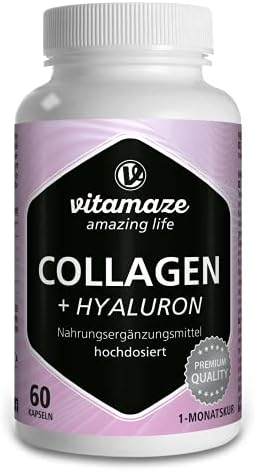
When selecting collagen products, it is essential to consider various factors to ensure you are investing in a high-quality supplement that meets your specific needs. The first point to consider is the source of collagen, which can significantly impact its efficacy. There are three primary sources: bovine, marine, and plant-based collagen. Bovine collagen, derived from cows, is known for its rich content of Type I and Type III collagen, which are vital for skin elasticity and hydration. Marine collagen, sourced from fish, is highly bioavailable and may offer improved absorption, making it popular for skin and hair health. Plant-based collagen alternatives are not actual collagen but rather contain ingredients that promote collagen production in the body, making them suitable for vegans and vegetarians.
The dosage of collagen supplements is another critical factor. Most studies suggest a daily intake of 2.5 to 15 grams of collagen for optimal benefits. It is advisable to start with a lower dosage and gradually increase it while monitoring how your body responds. Additionally, consider products that combine collagen with other beneficial ingredients, such as hyaluronic acid, vitamin C, and biotin, which may enhance the overall effectiveness of the supplement.
It is also important to read product reviews and look for brands that are well-researched and certified. Trusted brands often provide transparency regarding their sourcing and manufacturing processes. When incorporating collagen into your daily routine, it can be added to smoothies, coffee, or taken in pill form. Topical collagen creams can also be beneficial for localized areas of concern, offering a direct approach to improving skin appearance.
By considering these factors, you can choose a collagen product that aligns with your health goals, thus enhancing your journey to achieving glowing skin and hair.
What to Know About Collagen: Myths, Facts, and FAQs
Collagen is often hailed for its significant role in maintaining youthful skin and radiant hair, but it is surrounded by a multitude of myths that can cloud understanding. One prevalent misconception is that collagen supplements are only effective for enhancing skin appearance. In reality, collagen plays an integral role in supporting joint health, promoting nail strength, and even improving gut health. Its diverse benefits extend far beyond the cosmetic realm, making it a valuable addition to any holistic skincare and haircare regimen.
Another common inquiry revolves around the timeframe for observing visible results from collagen supplementation. Most individuals may start to notice improvements in skin texture and hydration within four to six weeks of consistent use. However, effects can vary based on individual factors such as age, lifestyle, and the specific collagen product used. For optimal effects, it is essential to integrate collagen with a balanced diet, proper hydration, and a comprehensive skincare routine.
Concerns about potential side effects are also frequent among new users. Generally, collagen supplements are considered safe for most people when taken as directed. Common side effects may include mild digestive discomfort, but these are not widespread. Individuals allergic to specific types of collagen, such as marine collagen derived from fish, should exercise caution and consult healthcare professionals before incorporating these supplements into their regimen.
In summary, understanding the facts about collagen is crucial for maximizing its benefits. By dispelling myths and addressing common concerns, individuals can confidently explore the potential of collagen to support their beauty and wellness goals. As with any health supplement, a well-rounded approach that includes healthy eating, hydration, and skin care practices will yield the best results in enhancing the radiance of skin and hair.
Disclaimer: This post contains affiliate links. As an Amazon Associate, I earn from qualifying purchases. This means I may receive a small commission if you buy through my links, at no extra cost to you.
![Kollagen [300g]: Reinstes Kollagen in Apothekenqualität - Bioaktive Premium-Peptide aus hochwertigem Kollagenhydrolysat. Mit Vitamin C & Biotin - Geschmacksneutral - Gute Löslichkeit](https://m.media-amazon.com/images/I/41wo7nuOZvL._AC_.jpg)