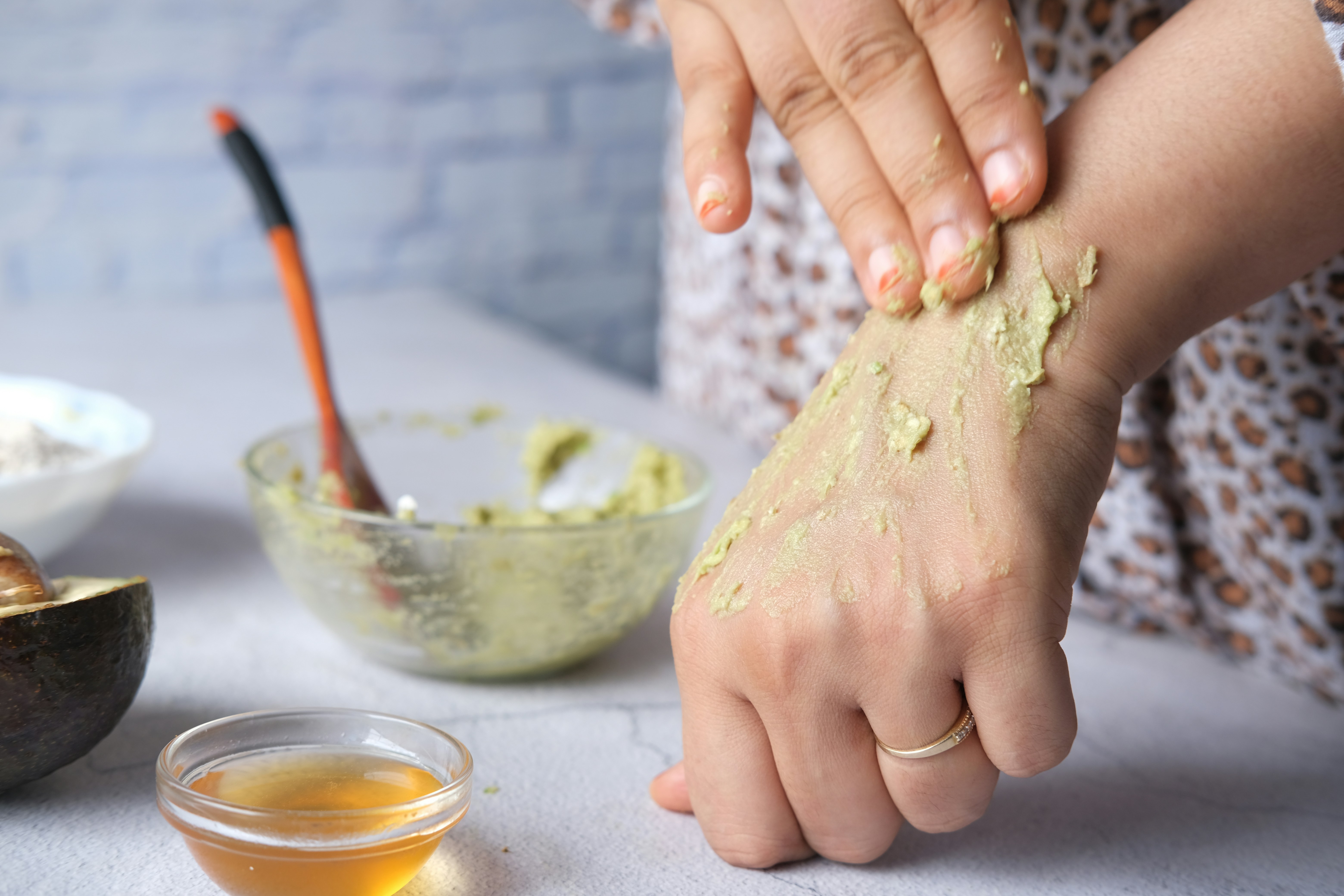
Introduction to DIY Face Masks
In recent years, DIY face masks have gained immense popularity among skincare enthusiasts seeking to enhance their beauty routines with natural ingredients. The allure of creating personalized treatments at home lies in the ability to customize masks to suit individual skin types and concerns. Embracing natural ingredients not only caters to specific needs but also avoids the harsh chemicals often found in commercial products, making them a gentler option for the skin.
Natural ingredients, such as honey, avocado, oatmeal, and various fruits, boast numerous benefits that can effectively address common skin issues. For example, honey is known for its antibacterial properties and hydration benefits, while avocado is rich in essential fatty acids that nourish and moisturize the skin. These elements can be combined in distinctive ways to create an array of masks—targeting concerns ranging from dryness and aging to acne and uneven skin tone.
Moreover, one of the greatest advantages of DIY face masks is the ability to tailor them to different skin types. Whether you have oily, dry, or sensitive skin, there are countless natural ingredients available that can be mixed and matched to optimize effectiveness. Those with oily skin might benefit from masks containing clay or charcoal, which help absorb excess oil, while individuals with dry skin may find comfort in creamy masks enriched with yogurt or bananas.
However, despite the appeal of these natural treatments, it is crucial to prioritize safety. Conducting a patch test before applying a new face mask is an essential practice, allowing individuals to detect any adverse reactions. This simple safety precaution ensures a positive experience while exploring the world of DIY skincare, ultimately paving the way for healthier, glowing skin. By embracing natural ingredients and personalizing skincare routines, individuals can enjoy the myriad benefits they bring, cultivating a sustainable approach to beauty.
Choosing the Right Ingredients
Selecting the appropriate natural ingredients for DIY face masks is crucial to achieve healthy, glowing skin tailored to your specific skin type and concerns. Each skin type—oily, dry, combination, and sensitive—has different needs, which is why understanding the benefits of various ingredients is essential.
For oily skin, ingredients like
and tea tree oil can be beneficial. Clay absorbs excess oil and helps unclog pores, while tea tree oil has antimicrobial properties that can reduce acne flare-ups. On the other hand, individuals with dry skin should consider using hydrating ingredients such as honey, yogurt, or avocado.
acts as a humectant, drawing moisture to the skin, while yogurt contains probiotics that calm irritation and enhance skin texture. Avocado, rich in fatty acids and vitamins, can deeply nourish and hydrate the skin.
Combination skin may require a balance between the above ingredients. For instance, a mask combining yogurt and honey can provide nourishment without overhydrating oily areas, making it suitable for someone with mixed skin types. Additionally, those concerned with aging can consider incorporating antioxidants found in ingredients like green tea or berries, which help to combat free radical damage and promote a youthful appearance.
For sensitive skin, it is vital to choose gentle ingredients such as oatmeal or aloe vera, which provide soothing properties without causing irritation. Oatmeal can help calm inflammation, while aloe vera hydrates the skin and reduces redness.
If you have allergies or sensitivities, alternatives are available. For example, if honey is an issue, agave nectar can serve as a suitable substitute with similar moisturizing properties. Always conduct a patch test for any new ingredient to ensure it suits your skin. By choosing the right natural ingredients, you can effectively address your skin’s needs while creating a personalized face mask experience.
Step-by-Step Instructions for Making a DIY Face Mask
Creating your own natural face mask at home is a straightforward process that allows you to harness the benefits of various ingredients tailored to your skin type. Below is a guide detailing several DIY face mask recipes, each designed to promote healthy and glowing skin.
Honey and Oatmeal Mask
Preparation Time: 10 minutes
Application Time: 15-20 minutes
Combine two tablespoons of finely ground oatmeal with one tablespoon of honey and a few drops of warm water to form a paste. This mask is excellent for hydrating and soothing the skin. Apply the mixture evenly over the face, avoiding the eye area. Rinse with warm water and follow with your regular moisturizer. Use this mask once a week for best results.
Aloe Vera and Yogurt Mask
Preparation Time: 5 minutes
Application Time: 20 minutes
Mix three tablespoons of fresh aloe vera gel with two tablespoons of plain yogurt. This mask works wonders for brightening and cooling the skin. Spread the mixture generously over the face and leave it on for about 20 minutes before rinsing off with cool water. This mask can be applied up to twice a week.
Common Mistakes to Avoid
When making a DIY face mask, be mindful of a few common pitfalls. First, ensure that all equipment and ingredients are clean to avoid contamination. Additionally, never leave a mask on longer than recommended, as this may irritate the skin. Always perform a patch test prior to applying a new mask to rule out any allergic reactions.
By following these easy instructions, you can enjoy the benefits of a personalized natural face mask tailored to your skin’s needs while avoiding common mistakes.
Product Suggestions and Final Tips
When it comes to creating an effective DIY face mask, the choice of natural ingredients plays a pivotal role. Many consumers prefer products that not only promote an illuminating complexion but also avoid harsh chemicals. Some reputable brands to consider when shopping for ingredients include Now Foods for essential oils, Nature’s Way for dried herbs, and Bob’s Red Mill for oats and various flours. These brands can often be found both in local stores and online marketplaces.
For those interested in specific ingredients, honey is a fantastic natural humectant that hydrates the skin and can be sourced from local farmer’s markets or health food stores. Aloe vera gel is another popular choice due to its soothing properties; consider Aliver for quality aloe products. Additionally, utilizing organic avocado or coconut oil can provide moisture and nourishment. The versatile Spectrum Essentials brand offers organic coconut oil ideal for DIY masks.
Storage of your DIY face masks is essential to maintain their efficacy and freshness. It is advisable to store any unused masks in an airtight container in the refrigerator, which will typically prolong their shelf life for up to one week. Similarly, frequency of use should be considered; applying a DIY face mask 1-2 times a week can yield beneficial results without overwhelming the skin.
Incorporating these masks into a regular skincare routine can enhance overall skin health and appearance. It is crucial to observe how your skin reacts to various ingredients and adjust the recipe accordingly. Factors such as skin type, seasonal changes, and personal preferences should be acknowledged. Listening to your skin’s responses will enable you to tailor your DIY face mask experience for optimal glow and vitality.
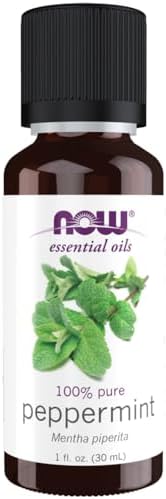
- HOHE KONZENTRATION: Das Bio-Pfefferminzöl von Now Foods ist 100% rein und besitzt als natürliches ätherisches Öl eine ho…
- GUTE VERTRÄGLICHKEIT: Now Foods Pfefferminzöl zeichnet sich durch 100%ige Reinheit aus und besitzt ein frisches, stark m…
- HOHE QUALITÄT: Das Pfefferminzöl von Now Foods wird in unabhängigen Labors auf Qualität und Reinheit getestet
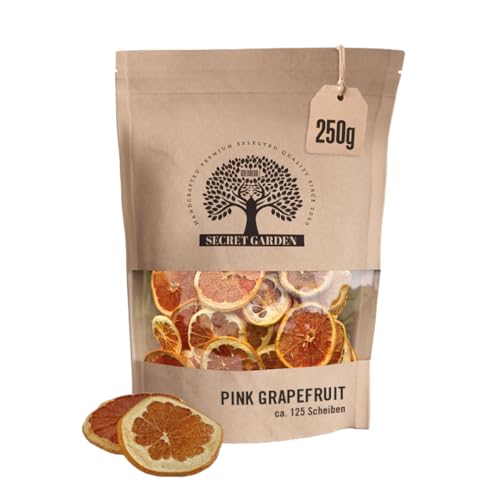
- INTENSIVES ZITRUSAROMA MIT BITTERFRISCHER NOTE – Handverlesen, hauchdünn geschnitten und schonend getrocknet – diese Pin…
- REIN NATÜRLICH & OHNE ZUSÄTZE – Frei von Schwefel, Konservierungsstoffen und künstlichen Aromen – die Schale ist essbar …
- VIELSEITIG EINSETZBAR & SOFORT GEBRAUCHSBEREIT – Perfekt für Cocktails wie den Paloma, Bowle, Glühwein, Tee, Dessert ode…
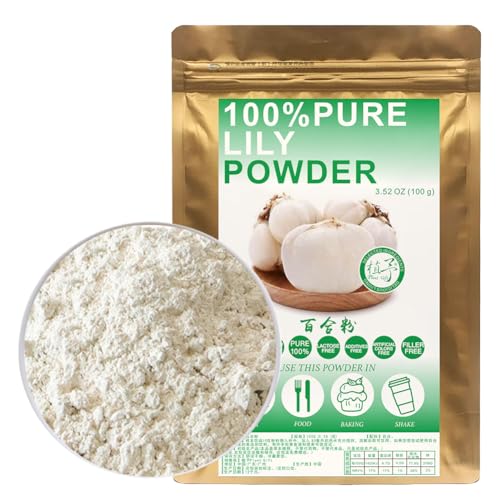
- 👍🌱 Lilienpulver ist ein fein gemahlenes Pulver, das aus den getrockneten fleischigen Schuppen des Lilium lancifolium Ker…
- 👍🌱 Fügen Sie hausgemachten Kräutertees einen Hauch von Eleganz und ein subtiles blumiges Aroma hinzu, indem Sie Lily Pow…
- 👍🌱 Lilienzwiebel ist ein stärkehaltiges, essbares Wurzelgemüse, das aus der Lilienblütenfamilie stammt.
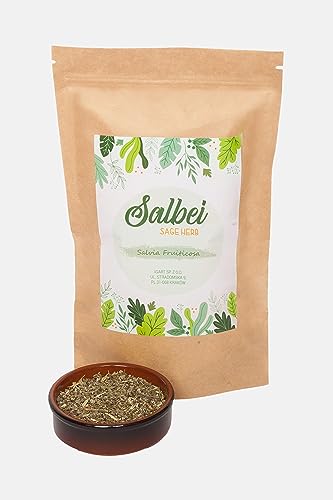
- 100 % natürlich – Getrocknete und geschnittene Salbeiblätter (Salvia fruticosa) ohne Zusatzstoffe oder Konservierungsmit…
- Ideal für Tee – Perfekt zur Zubereitung von Salbeitee oder anderen traditionellen Kräuteraufgüssen
- Hochwertige Qualität – Sorgfältig ausgewählt und verarbeitet, um Frische und natürliche Eigenschaften zu bewahren.
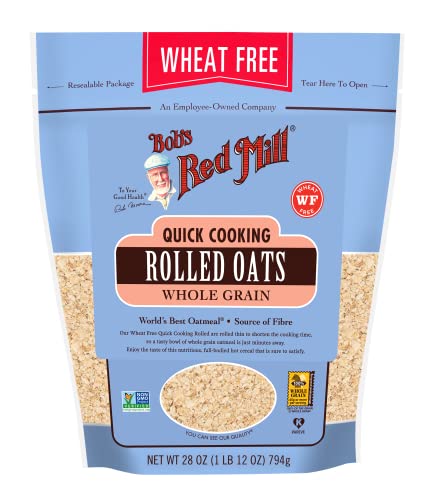
- Dieses glutenfreie Produkt wurde ausschließlich in einer speziellen glutenfreien Einrichtung behandelt und mit einem ELI…
- Es gibt viele Möglichkeiten, Vollkorn-Hafer zu kochen. Sie machen eine tolle knusprige Beschichtung; sie verlängern Hack…
- Fertig in ca. 5 Minuten: Kochanleitung für Herd und Mikrowelle sind auf der stabilen Verpackung enthalten.
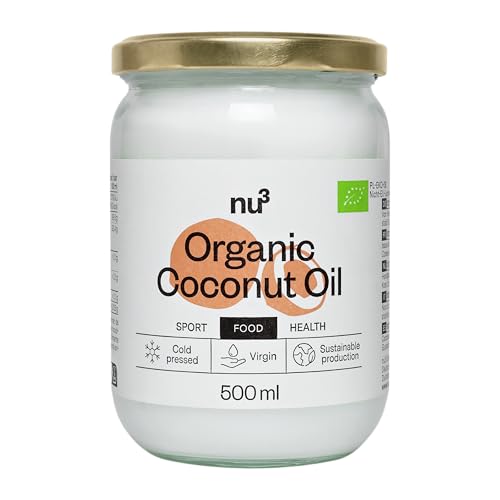
- 100 % Bio-Kokosöl: Kaltgepresst & naturbelassen, in Rohkost-Qualität für höchsten Genuss.
- Vielseitig einsetzbar – Perfekt zum Kochen, Backen & Anbraten dank hoher Hitzebeständigkeit.
- Rein & ohne Zusätze: Frei von Gluten, Laktose, Süßstoffen, Farbstoffen & Konservierungsstoffen.
Disclaimer: This Post contains Affiliate links, which means I may receive commission If you purchase through my links. There is no additional cost to you