Understanding Anxiety and Its Impact
Anxiety is a common mental health condition characterized by excessive worry, fear, and apprehension that can significantly interfere with daily activities. It manifests in various forms, including generalized anxiety disorder, panic disorder, social anxiety disorder, and specific phobias. According to the World Health Organization, approximately 264 million people globally experience depression or anxiety, underscoring its widespread nature.
The symptoms of anxiety can range from emotional distress and cognitive impairments to physical manifestations. Individuals may experience persistent feelings of unease, difficulty concentrating, irritability, muscle tension, and sleep disturbances. Physical symptoms often include rapid heart rate, sweating, trembling, fatigue, and gastrointestinal issues. These symptoms can create a challenging cycle, as individuals may avoid situations that provoke anxiety, which can lead to further isolation and distress.
Anxiety can stem from a variety of triggers, both environmental and personal. Major life changes, stressful events, and chronic health conditions are common contributors. Additionally, genetics, brain chemistry, and personality traits may influence an individual’s susceptibility. It’s vital to recognize that anxiety doesn’t merely affect one’s emotional state; its physical impacts can lead to serious health concerns, including heart disease and weakened immune function over time.
Addressing anxiety is critical not only for mental well-being but also for physical health. The increasing interest in natural remedies to cope with anxiety has brought aromatherapy and essential oils to the forefront. Many individuals are seeking alternative therapies that can complement traditional methods, enhancing their quality of life while managing anxiety effectively. The shift toward natural solutions exemplifies a broader trend in mental health care, as people become more aware of the diverse tools available to combat anxiety symptoms.
What is Aromatherapy?
Aromatherapy is a form of alternative therapy that utilizes the inhalation or topical application of essential oils to promote physical and psychological well-being. This holistic practice has its roots in ancient civilizations, such as Egypt, China, and India, where fragrant oils were utilized for medicinal purposes, religious rituals, and cosmetics. Over centuries, aromatherapy has evolved, emphasizing the therapeutic use of oils derived from plants to harness their aroma and beneficial properties.
The fundamental principle of aromatherapy rests upon the belief that scents can significantly affect mood and mental health. This modality posits that through olfactory stimulation, the scent molecules can influence the brain’s limbic system, which is closely connected to emotions and memory. For instance, certain essential oils like lavender have been shown to possess calming effects, while citrus oils, such as bergamot, may elevate mood and foster feelings of happiness. This connection between scent and emotions elucidates the potential of aromatherapy as a tool for emotional regulation and relaxation.
Read more: How to reduce AnxietyAromatherapy practices vary widely across different cultures and holistic health traditions. In Western practices, essential oils are commonly diffused in spaces, added to baths, or applied directly to the skin during massages. In contrast, traditional practices in Eastern cultures, such as Ayurveda, often incorporate essential oils into their healing systems by blending them with herbal remedies or using them in meditative practices. By recognizing the versatile applications of aromatherapy, one can appreciate its global significance and potential as a complementary therapy to manage anxiety and enhance overall well-being.
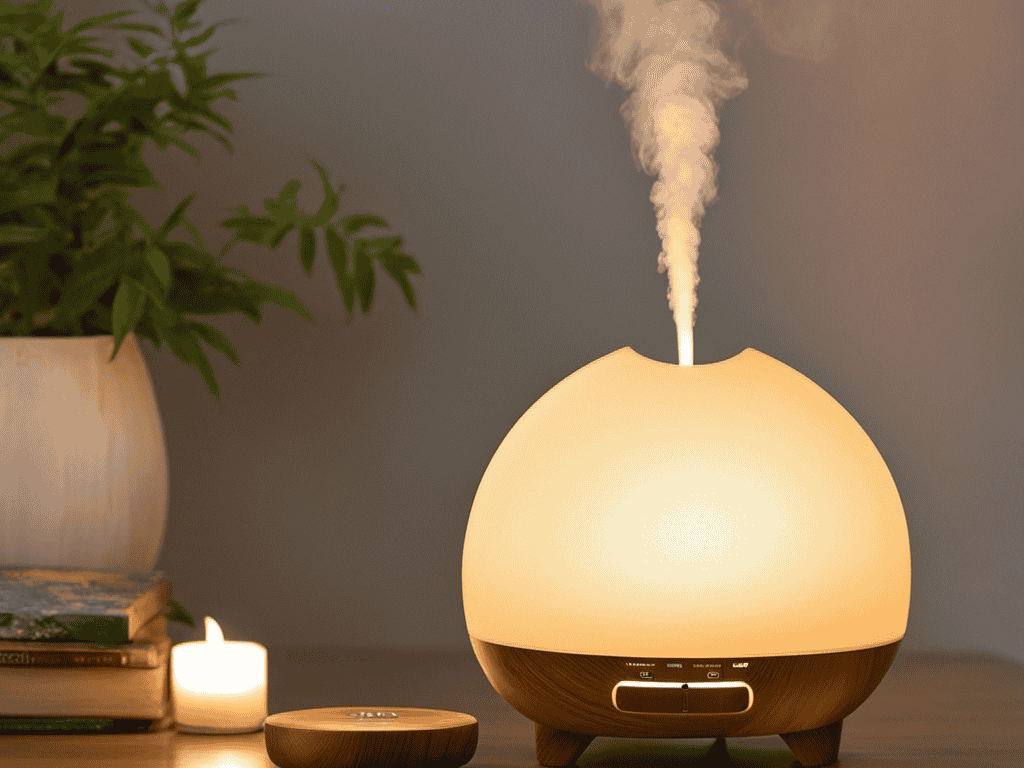

- Kompakter & eleganter aroma-diffusor: Seine schlichte eleganz und moderne ästhetik machen ihn zu einem perfekten dekorat…
- Automatische abschaltfunktion: Dieses aromatherapiegerät verfügt über eine automatische abschaltfunktion, die sich autom…
- All-in-one-knopf: Drücken sie einmal, um den nebel und den 7-farben. Drücken sie erneut, um eine beliebige farbe auszuwä…
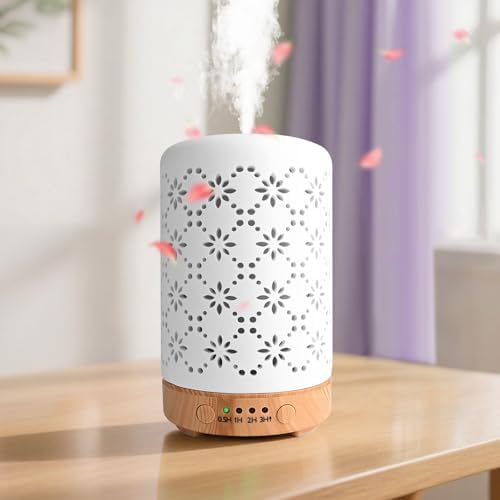
- 【Meisterhafte Handwerkskunst】Der Aroma Diffusor vereint edles Keramik mit einem natürlichen Holzfuß zu einem harmonische…
- 【Präzise Aromatherapie】Mit einem 100ml Wassertank und Ultraschall-Zerstäubungstechnologie verwandelt der Diffusor Wasser…
- 【Flexible Zeiteinstellung】Wählen Sie zwischen vier Timer-Modi (0,5h/1h/2h/3h) für individuelle Duftdauer. Die einfache E…
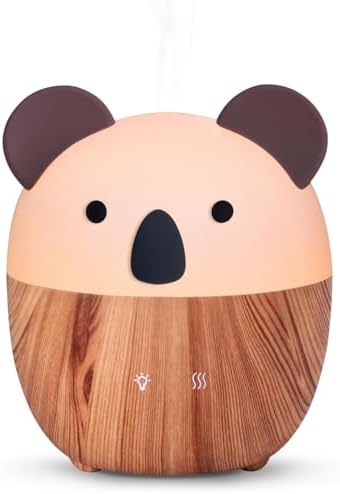
- Diffusor für ätherische Öle: Dieser elektrische Aromatherapie-Diffusor sorgt für die Kaltdiffusion ätherischer Öle, um a…
- 2 Diffusionsmodi und LED-Beleuchtung: Wählen Sie zwischen kontinuierlicher Diffusion oder alternierender Diffusion. Ambi…
- BPA-frei und automatische Abschaltung: Entwickelt aus gesunden BPA-freien Materialien für eine Verwendung ohne Gesundhei…
Essential Oils for Anxiety Relief
Aromatherapy has emerged as a popular alternative method for managing anxiety, and certain essential oils are particularly noted for their calming effects. Three essential oils frequently associated with anxiety relief are lavender, chamomile, and bergamot. Each has unique properties that contribute to reducing stress and promoting relaxation.
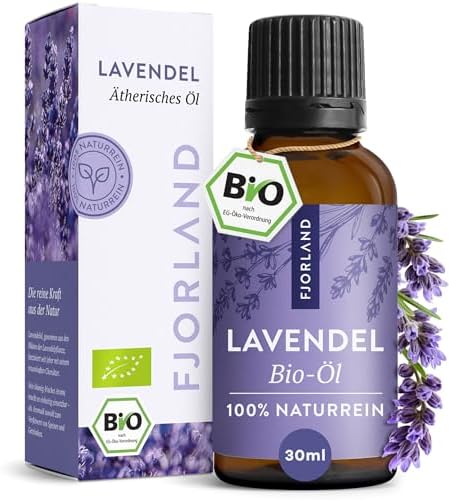
Lavender essential oil is perhaps the most well-known for its soothing aroma. Its active compounds, such as linalool and linalyl acetate, have been shown to exert a calming effect on the nervous system. Studies indicate that inhaling lavender can reduce heart rate and blood pressure, facilitating a state of tranquility. Methods of use include diffusion in a room, adding a few drops to a warm bath, or applying diluted oil directly to pulse points.
Chamomile essential oil, derived from the flowers of the chamomile plant, possesses anxiolytic properties that can ease feelings of anxiety. Its chemical constituents, including alpha-bisabolol and chamazulene, contribute to a sense of calm and relaxation. Chamomile is often used in tea form, but as an essential oil, it can be used in topical applications, such as massage oils or in a diffuser for inhalation.
Bergamot essential oil, from the bergamot orange, has a refreshing citrus scent that can uplift mood while simultaneously providing a calming effect. The presence of linalyl acetate in bergamot contributes to its ability to reduce anxiety and improve overall emotional states. Popular methods for using bergamot include adding a few drops to a diffuser, inhaling directly from the bottle, or incorporating it into skincare products, carefully diluted for topical application.
While employing essential oils for anxiety relief, safety considerations are paramount. Essential oils must be diluted before topical use to avoid skin irritation. It’s advisable to perform a patch test, especially for first-time users. Additionally, individuals should consult healthcare professionals if they are pregnant, nursing, or have existing health conditions, as some oils could have contraindications or side effects. By understanding and properly utilizing these oils, individuals can incorporate them safely into their anxiety management practices.


Practical Tips for Incorporating Aromatherapy into Daily Life
Aromatherapy can be seamlessly integrated into daily life, providing a natural approach to reducing anxiety and enhancing overall well-being. One of the first steps to create a calming oasis at home is by establishing a dedicated aromatherapy corner. Set up a space equipped with a diffuser, where essential oils such as lavender, bergamot, and chamomile can be regularly diffused, fostering a soothing atmosphere. Additionally, utilizing scented candles or incense can further enhance this environment, inviting a sense of tranquility with every breath.
For those interested in DIY blends, it is both enjoyable and beneficial to craft personalized essential oil combinations. A simple recipe includes mixing five drops of lavender oil, three drops of cedarwood oil, and two drops of frankincense oil. This blend can be added to a carrier oil or used in a diffuser to promote relaxation. Moreover, exploring herbal infusions, such as chamomile or lemon balm tea, can provide supplementary benefits, aligning physical and emotional needs.
Integrating aromatherapy practices into the workplace is another effective way to manage stress and anxiety. Consider using a portable essential oil inhaler or a roll-on blend throughout the day, especially during moments of heightened tension. Oils such as peppermint or citrus can invigorate the mind and combat fatigue, supporting productivity. Furthermore, establishing a routine where essential oils are utilized, such as before or after meetings, can help individuals establish a sense of control over their stress levels.
To maximize the benefits of aromatherapy, maintaining consistency is crucial. Encouraging individuals to create a daily or weekly schedule can facilitate the development of a routine. Keeping a journal to track emotional responses and experiences with different scents can serve as a valuable tool for self-discovery and anxiety management. By actively engaging with aromatherapy practices, individuals can cultivate a supportive environment for their mental health.
Disclaimer: This Post contains Affiliate links, which means I receive a commission if you purchase through my links. There is no additional cost to you.