Understanding Men’s Skin: Unique Needs and Concerns
Men’s skin possesses distinct characteristics that set it apart from women’s skin, necessitating a tailored approach to skincare. One of the primary differences is oil production; men generally have larger sebaceous glands, resulting in an increased output of sebum. This heightened oiliness can lead to a range of issues, including acne and an overall shinier appearance. As a result, men are often advised to select products specifically formulated to balance oil levels and prevent breakouts.
Moreover, men’s skin tends to be approximately 25% thicker than women’s, which can influence how products are absorbed and their efficacy. The increased thickness can also contribute to the formation of deep wrinkles, making it critical for men to focus on hydration and anti-aging ingredients as part of their skincare regimen. Many men may overlook these concerns, but recognizing this aspect of their skin can lead to better product choices that address premature aging and maintain skin health.
Common skin concerns that men face include razor burn, ingrown hairs, and post-shaving irritation. These issues stem from the regular use of razors and grooming products. When shaving, men’s skin is often exposed to irritation, which can be minimized by using suitable shaving gels and post-shave balms that soothe and hydrate the skin. Additionally, men frequently experience dryness, especially in colder climates or due to environmental factors such as pollution. This dryness can exacerbate other skin issues if not properly addressed with moisturizers designed for men’s skin.
Understanding these unique traits of men’s skin is vital to selecting effective skincare products. With this knowledge, men can make informed decisions, ensuring their skincare routines address their specific needs, leading to healthier and more radiant skin over time.
Essential Skin Products Every Man Should Consider
Skincare is a vital aspect of personal grooming that many men may overlook. However, instituting a basic skincare routine can vastly improve one’s skin health and appearance. There are four essential types of products that every man should consider integrating into their daily regimen: cleansers, moisturizers, exfoliants, and sunscreen. Each category plays a critical role in maintaining skin that looks fresh and youthful.
The first step in any skincare routine is a good cleanser. A quality facial cleanser effectively removes dirt, excess oil, and impurities from the skin without stripping it of its natural moisture. For men, a foaming or gel-based cleanser can be especially effective, particularly those designed to target oiliness or acne. Look for products containing salicylic acid or charcoal for enhanced cleansing power.
Following cleansing, a moisturizer is crucial for replenishing hydration. Men typically benefit from lightweight, non-greasy moisturizers that absorb quickly. Gel-based options infused with hyaluronic acid are excellent choices, providing hydration without feeling heavy. Moisturizing daily can help combat dry skin and reduce the appearance of fine lines.
Exfoliants are another key component of an effective skincare routine. Regular exfoliation, about two to three times a week, helps remove dead skin cells, unclog pores, and promote cell turnover, resulting in smoother and clearer skin. A gentle scrub or a chemical exfoliant containing alpha or beta hydroxy acids can serve this purpose well, enabling better penetration of other skincare products.
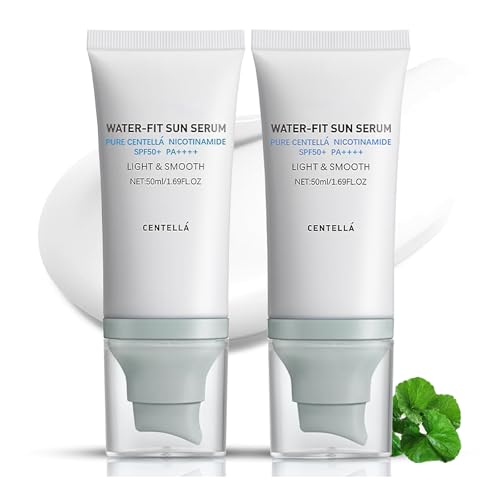
Finally, sunscreen is an indispensable element, even for those who may not spend long hours outdoors. A broad-spectrum sunscreen with an SPF of 30 or higher protects against harmful UV rays, preventing premature aging and skin cancers. Opting for a moisturizer that includes sunscreen can simplify the daily routine while ensuring optimal skin protection.
In summary, incorporating these essential products into a skincare routine can lead to healthier, well-maintained skin. By choosing items tailored specifically for men’s skin and understanding their unique properties, individuals can establish a regimen that works effectively for them.
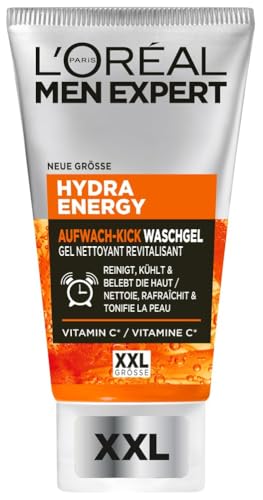
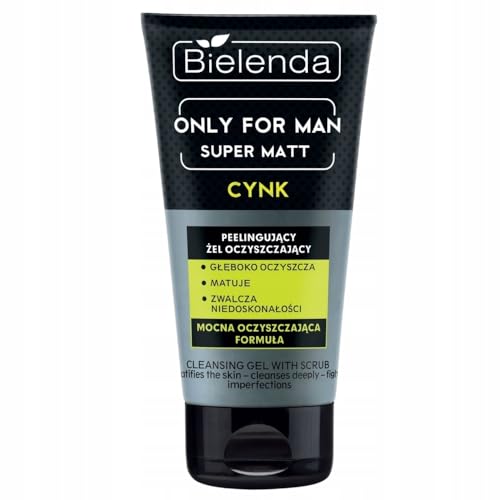
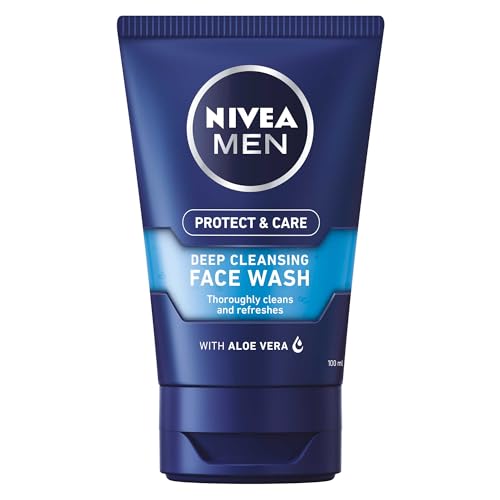
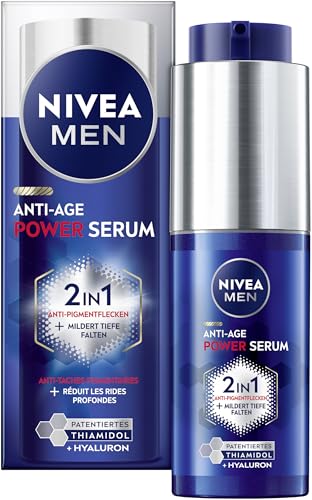

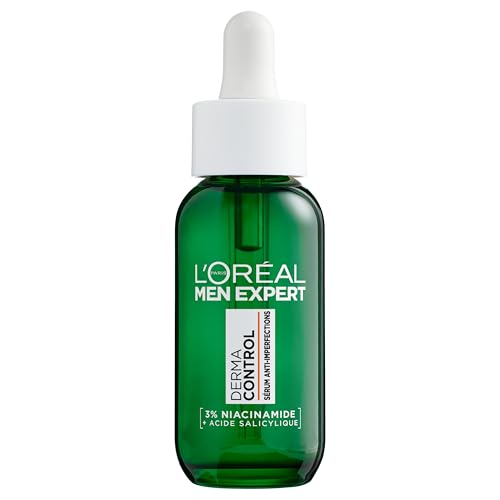
Disclaimer: As an Amazon Associate, I earn from qualifying purchases. This comes at no additional cost to you and helps support the content on this blog. I only recommend products that I personally use or believe will add value to my readers.
Step-by-Step Guide: How to Use Skin Products for Best Results
Incorporating skin products into a daily routine can seem overwhelming, but a systematic approach can simplify the process and enhance effectiveness. First and foremost, it’s essential to establish the proper order of application for the products to achieve optimal results. Typically, the sequence is as follows: cleansing, toning, treating, moisturizing, and finally, applying sunscreen during the day.
Start with a gentle cleanser to remove dirt and oils from your skin. Use a dime-sized amount and gently massage it into your face for about 30 seconds, then rinse with lukewarm water. Following cleansing, apply a toner if desired. This product can help balance the skin’s pH while providing additional hydration. Few drops on a cotton pad or directly onto the skin using your hands can suffice for this step.
The third step involves applying a serum or treatment targeted to specific issues like dryness, acne, or signs of aging. A pea-sized amount is generally adequate, and it’s crucial to evenly distribute it across your face, paying attention to areas of concern. Next, when it comes to moisturizing, use a suitable moisturizer that suits your skin type—be it gel-based for oily skin or cream-based for dry skin. A nickel-sized amount should be ample for full coverage, massaging it in with upward motions to encourage absorption.
Finally, especially for daytime routines, finish off with sunscreen. This step is vital, as daily exposure to UV rays can lead to premature aging and skin damage. A quarter-sized amount is recommended, ensuring that all exposed areas of the face and neck are adequately protected. Additionally, be mindful of adapting your routine depending on your environment. When at the gym, a lighter moisturizer and sunscreen may be preferable, while travel may necessitate more hydrating products to combat dryness.


Maintaining Healthy Skin: Tips and Lifestyle Habits
Maintaining healthy skin requires a multifaceted approach that encompasses various lifestyle habits and dietary choices. Proper nutrition plays a pivotal role in skin health; therefore, it is essential to consume a balanced diet rich in vitamins and minerals. Foods high in antioxidants, such as fruits and vegetables, help in combating oxidative stress, which can lead to skin aging and damage. Nutrients like vitamin C, vitamin E, and omega-3 fatty acids are particularly beneficial for skin health, promoting hydration and reducing inflammation.
Hydration is another critical component of skin maintenance. Drinking adequate amounts of water daily helps keep the skin plump and vibrant. Dehydration can lead to dry and flaky skin, exacerbating the appearance of fine lines. Aim to consume at least eight glasses of water each day, and consider incorporating water-rich foods such as cucumbers and watermelon into your diet.
Equally important is the quality of sleep one gets, as it greatly affects the skin’s ability to repair itself. During deep sleep, the body undergoes cellular regeneration, which is vital for maintaining healthy skin. Poor sleeping habits can lead to increased stress hormones in the body, resulting in various skin issues, including acne and premature aging. Establishing a regular sleep routine and ensuring a comfortable sleep environment can help improve overall skin health.
Stress management also plays a crucial role in maintaining healthy skin. Chronic stress can contribute to skin problems such as eczema and psoriasis. Engaging in relaxation techniques such as yoga, meditation, or deep-breathing exercises can alleviate stress and enhance skin appearance. Using quality skincare products consistently is equally important, as they can reinforce the skin barrier and provide essential nutrients. Developing a dedicated skincare routine tailored to individual skin types not only improves appearance but also fosters overall skin well-being.
Disclaimer: As an Amazon Associate, I earn from qualifying purchases. This comes at no additional cost to you and helps support the content on this blog. I only recommend products that I personally use or believe will add value to my readers.